
Slow cookers have maintained their place in kitchens for decades, and for good reason. There’s something undeniably appealing about the idea of combining ingredients in the morning and returning home to a fully prepared meal. Whether you’re managing a busy weekday schedule, cooking for a gathering, or simply enjoying the flavors that develop during extended cooking periods, slow cookers offer a straightforward approach to meal preparation.
The market offers slow cookers in various sizes, ranging from modest 2-quart models designed for individuals or couples to larger capacities suited for families and entertaining. The 7-quart size occupies an interesting middle ground—substantial enough to handle significant quantities while remaining practical for most home kitchens. Understanding what this capacity means for your cooking needs requires looking beyond simple numbers and considering how you actually cook and eat.
When a slow cooker holds 7 quarts, it can accommodate recipes that serve eight to twelve people comfortably, or provide multiple servings for a smaller household with leftovers. This capacity distinction matters more than many realize, particularly for those who enjoy batch cooking, meal planning, or hosting informal gatherings where shared food plays a central role.
What Makes a 7-Quart Capacity Practical
The difference between a 4-quart and 7-quart slow cooker extends beyond simple volume. It fundamentally changes what you can prepare and how you approach cooking. A larger vessel allows for whole cuts of meat without trimming, fuller batches of vegetables, and rice-based dishes that benefit from the cooking method.
For families with children, a 7-quart cooker means one meal preparation session can yield dinner plus substantial leftovers for lunch boxes or quick reheating. For those who enjoy entertaining, this capacity streamlines the process of feeding a group without requiring multiple appliances or staggered cooking times.
The practicality also touches on efficiency. Heating 7 quarts of food requires more energy than heating 4 quarts, yet the difference in cooking time remains minimal. This means you’re not necessarily adding significant time to meal preparation—you’re simply expanding the quantity of what you can accomplish.
Key Features Worth Understanding
The Removable Stoneware Crock
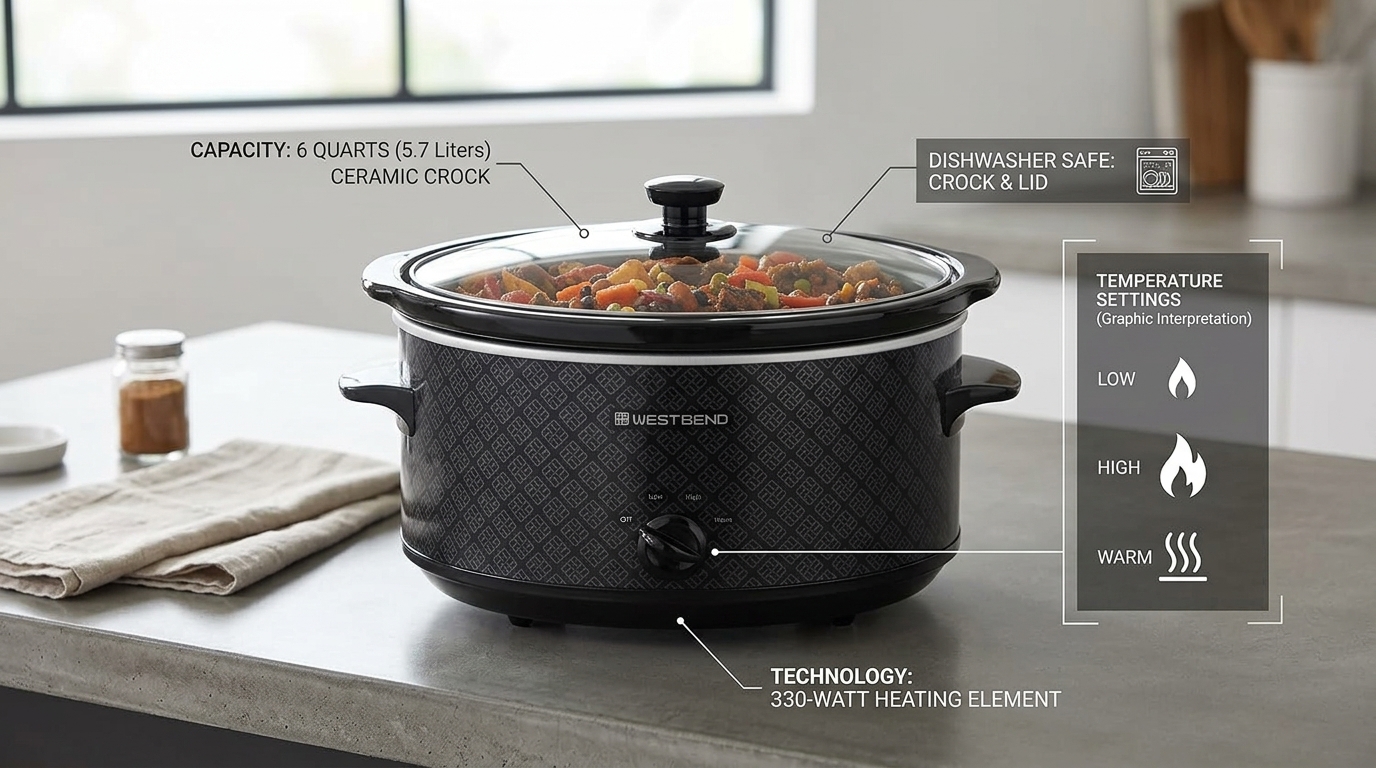
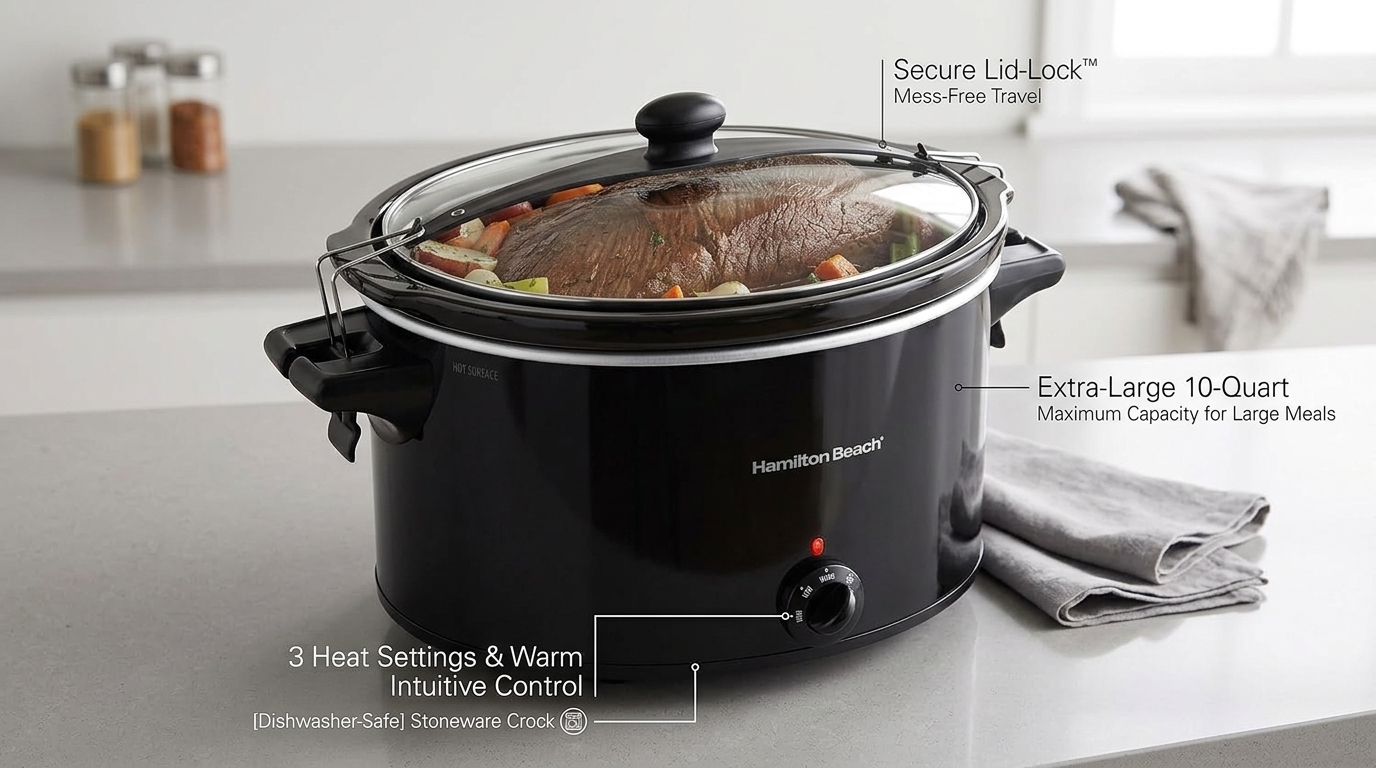
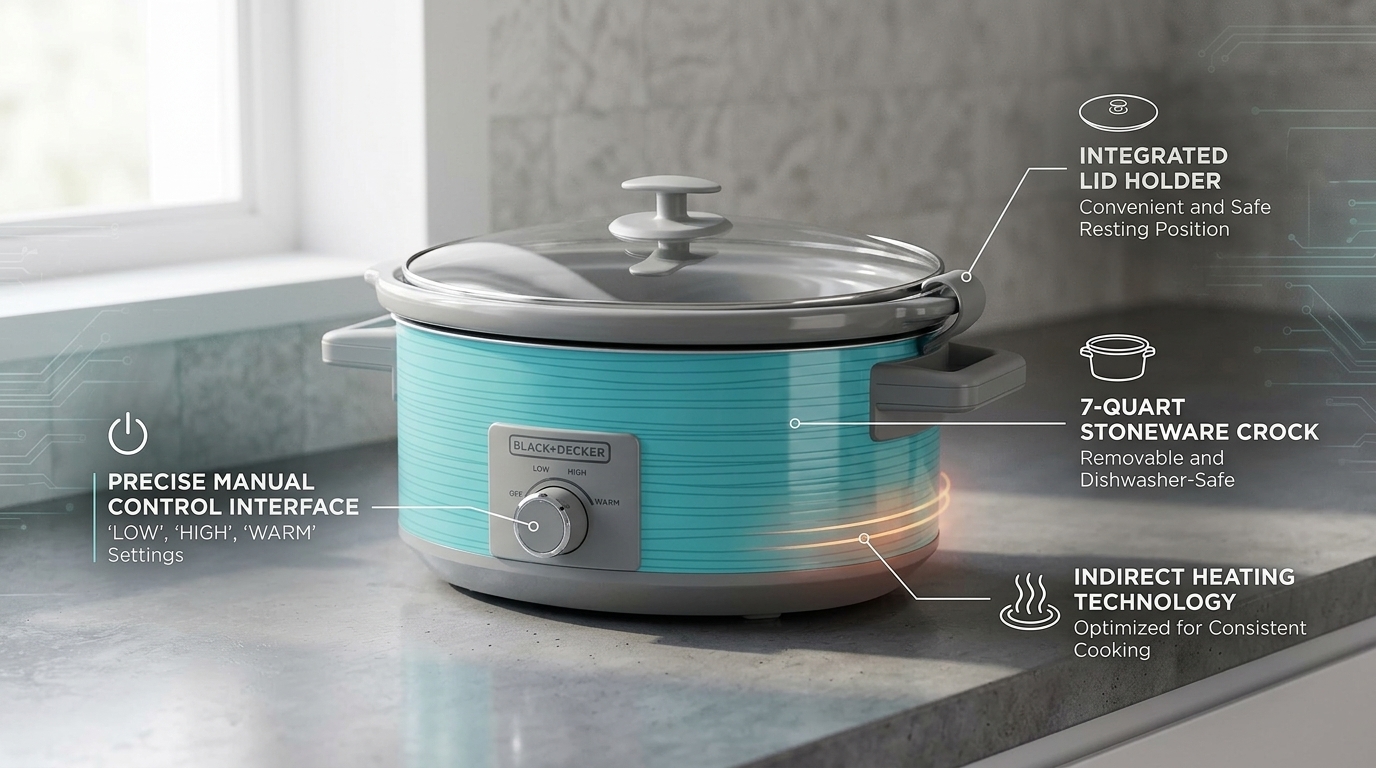
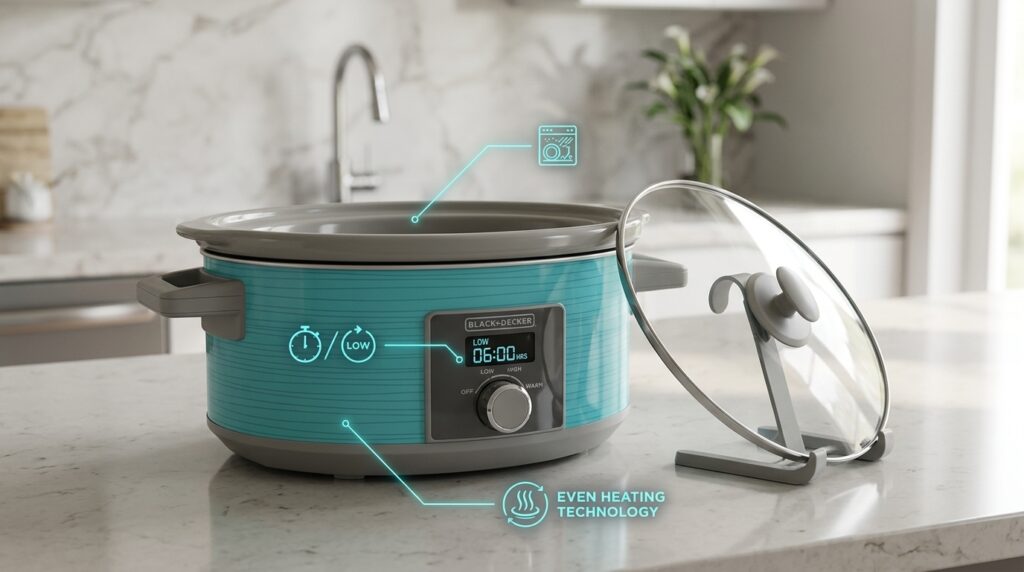
The removable stoneware crock represents an important design consideration in slow cooker functionality. Stoneware provides superior heat distribution compared to ceramic alternatives, resulting in more consistent cooking and fewer hot spots. The removable aspect addresses one of the primary frustrations home cooks experience with slow cookers: cleaning.
When the stoneware crock can be lifted from the heating base, you gain several advantages. Most obviously, it simplifies cleaning, as you can fill it with warm soapy water immediately after use rather than attempting to navigate around a fixed interior. The removal also enables easier storage, particularly valuable in kitchens where counter space comes at a premium.
The thickness of stoneware used in quality slow cookers matters more than many people realize. Thicker stoneware retains heat more effectively and resists thermal shock—the sudden temperature changes that can cause cracking. It also distributes heat more slowly and evenly, reducing the likelihood of food at the edges cooking faster than food in the center.
Dishwasher-Safe Components
Modern slow cookers increasingly incorporate dishwasher-safe parts, which addresses one of the maintenance concerns that historically deterred people from regular slow cooker use. When the stoneware crock and lid can go directly into the dishwasher, the post-cooking cleanup burden drops substantially.
This feature carries particular value for weeknight cooking scenarios. After an eight-hour work day, the prospect of hand-washing a large crock can feel discouraging, even if the meal itself turned out wonderfully. Dishwasher compatibility removes that friction point.
It’s worth noting that the heating base itself will never be dishwasher-safe, as it contains electrical components. However, the base can typically be wiped clean with a damp cloth or dried immediately after use if any splashes occur during the cooking process.
The Lid Holder Feature
The lid holder may seem like a minor detail, but it addresses a genuine practical problem during the cooking process. As food simmers over many hours, condensation accumulates inside the lid, creating moisture that drips back into the pot. A lid holder provides a resting place for the lid when you need to check on food or stir ingredients, keeping that condensation from re-entering the dish.
This becomes particularly relevant when you’re checking for doneness, adding ingredients midway through cooking, or simply satisfying the natural curiosity about how food is progressing. Without a designated holder, you’re left balancing the lid precariously on the rim of the cooker or setting it on the counter where water drips onto your kitchen surface.
Understanding Slow Cooking as a Method
Before diving into what you can cook, it helps to understand how slow cooking actually works. The method relies on sustained, gentle heat applied over extended periods—typically between six and ten hours depending on the recipe and the quantity of food. This low-and-slow approach differs fundamentally from conventional oven cooking or stovetop preparation.
The extended cooking time allows tougher cuts of meat to become tender, flavors to meld and deepen, and proteins to break down in ways that benefit the overall texture and taste. It’s one reason chili made in a slow cooker tastes richer than the same ingredients prepared quickly on a stovetop.
Temperature control in slow cookers typically offers low and high settings. Low generally produces temperatures around 180-190°F, while high settings reach approximately 280-300°F. Most recipes default to low settings for the full cooking time, though some begin on high for part of the duration to accelerate heating or to accommodate schedule changes.
Understanding these fundamentals matters because it shapes what you can realistically accomplish. A slow cooker isn’t designed for cooking delicate fish, crispy items, or foods that benefit from high-temperature searing (though you can brown meat beforehand in a separate pan, then transfer it to the cooker).
Practical Applications and Meal Ideas
Hearty Stews and Braises
The 7-quart capacity shines when preparing substantial stews. You can combine generous portions of beef chuck or lamb with potatoes, carrots, onions, and broth, creating deeply flavored dishes that develop character throughout the cooking process. The larger volume means the vegetables don’t get overwhelmed by the braising liquid—there’s room for generous amounts of both.
These stews hold up well in leftovers, often tasting even better the next day as flavors continue to marry. Portions can be frozen in smaller containers for quick future meals, maximizing the efficiency of one cooking session.
Chili and Similar Preparations
Chili represents one of the ideal applications for larger slow cookers. The bigger vessel accommodates the full complement of beans, meat, tomatoes, and spices without requiring you to reduce ingredient quantities. You can make enough to feed a crowd, contribute a substantial portion to a gathering, and still have several meals remaining.
The cooking method suits chili particularly well because the extended time allows dried beans to fully hydrate and soften if you choose to include them from dry (rather than canned), and it allows the spice profile to develop fully and integrate throughout the mixture.
Soups and Broths
Beyond standard vegetable or chicken soups, slow cookers excel at developing rich broths. The extended gentle heat extracts maximum flavor from bones, vegetables, and herbs without the rolling boil of stovetop preparation that can result in cloudier broth. A 7-quart cooker accommodates substantial quantities of raw ingredients that reduce somewhat during cooking but still yield impressive volumes of finished soup.
For those interested in bone broth or other slow-extracted preparations, the larger capacity means you can prepare enough for multiple uses—some consumed as soup or broth, some frozen for future recipes.
Pulled Meats and Sandwiches
Shoulder cuts and other suitable meats for shredding become tender during slow cooking without requiring active intervention. A 7-quart cooker can accommodate a substantial shoulder that yields enough pulled pork or chicken for numerous sandwiches. The larger volume also allows you to include more sauce or braising liquid, ensuring proper moisture distribution throughout the meat.
This category of cooking works exceptionally well for batch preparation, since the cooked, shredded meat freezes beautifully and reheats easily for sandwiches, nachos, tacos, or grain bowls.
Rice and Grain Dishes
Contrary to common assumptions, slow cookers can prepare rice and grains successfully, particularly in larger formats. Risotto, rice pilaf, or other preparations benefit from the even heat distribution. The larger volume means you can create grain-based dishes that serve as complete meals rather than simple sides.
Breakfast Applications
While slow cookers often get relegated to dinner duty, they work for oatmeal, breakfast casseroles, or morning-friendly preparations that cook overnight or through the early morning hours. A 7-quart cooker accommodates enough breakfast preparation for a household or small gathering.
Who This Size Works Well For
Larger Households and Families
The obvious audience for a 7-quart slow cooker includes families of six or more who regularly cook one shared meal. The capacity eliminates the need to run two cookers simultaneously or divide a recipe between multiple batches, streamlining the entire cooking process.
Those Who Batch Cook or Meal Plan
Many people who approach cooking strategically—dedicating one or two days to preparing meals for the week ahead—find larger slow cookers invaluable. You can prepare multiple days’ worth of dinners, portions for freezing, or components used in different meals throughout the week.
Entertaining and Gathering Hosts
People who regularly host potlucks, casual dinners, or social gatherings appreciate the ability to prepare a substantial dish that serves a crowd without requiring much active management during the event. The cooker can sit on a sideboard keeping food warm while you attend to guests.
People Managing Time-Constrained Schedules
Those with demanding work schedules, extensive commitments, or irregular eating times benefit from the flexibility slow cookers provide. Start a meal in the morning, and it awaits you whenever you arrive home, eliminating the choice between convenient takeout and spending hours on meal preparation.
Food Enthusiasts Exploring Cooking Methods
People interested in understanding different cooking techniques often appreciate slow cookers as a method that produces different outcomes than conventional cooking. The 7-quart size allows for experiments and exploration without constraints of capacity limiting recipe options.
Considerations Before Adding One to Your Kitchen
Physical Space Requirements
A 7-quart slow cooker occupies meaningful counter space. Before purchasing, measure your kitchen and identify where the cooker would actually live. Some people store slow cookers between uses, removing them from the counter. Others prefer immediate access. Understanding your specific kitchen layout and storage options matters.
Electrical Outlet Location
Slow cookers require electrical connections, and the cord length determines where you can position the unit. Identify available outlets near where you’d reasonably use the cooker—typically near your main food preparation area.
Heat Consideration
Slow cookers generate consistent low-level heat, which some people notice warming their kitchen. During hot months, this might be slightly less desirable than during cooler seasons. The factor rarely represents a deal-breaker, but it’s worth acknowledging.
Learning Curve Expectations
Although slow cookers operate simply, getting the best results requires understanding a few fundamental principles: roughly how long different foods take to cook, how to layer ingredients for optimal results, and when to add certain components (delicate vegetables often go in toward the end rather than the beginning). Most people master these concepts quickly through a few successful meals.
Recipe Adaptation
Converting conventional recipes to slow cooker format requires some adjustment. Liquid amounts typically need reduction since slow cooking minimizes evaporation compared to stovetop or oven cooking. Herbs and spices sometimes benefit from adjustments, as the extended cooking time can intensify certain flavors while muting others.
How 7-Quart Cookers Compare to Other Sizes
Versus Smaller Models (4-5 Quart)
Smaller slow cookers offer advantages in energy efficiency and counter space conservation. They cook faster because the volume heats more quickly and cooking times reduce slightly. However, they limit recipe flexibility and make batch cooking impractical. The 4-quart size works well for couples, smaller households, or those with limited kitchen space who don’t require frequent large-batch cooking.
A 7-quart cooker provides roughly 75% more capacity while increasing cooking time only minimally—usually by thirty minutes to an hour at most. For households cooking for more than four people regularly, the capacity increase delivers genuine practical benefit.
Versus Larger Models (8+ Quart)
Cookers exceeding 8 quarts exist, primarily marketed toward commercial settings or very large-scale entertaining. The jump from 7 to 10+ quarts adds substantial size and weight, and the practical difference in home cooking becomes less significant. You’re rarely cooking for more than twelve to fifteen people in a home setting, and once you exceed that number, other cooking methods or multiple cookers become more practical than one enormous unit.
The 7-quart size represents a reasonable sweet spot—larger than most household needs while remaining manageable and practical for home kitchens.
Maintenance and Longevity
Cleaning and Care
The removable stoneware crock simplifies maintenance substantially. After cooking, allow the crock to cool slightly, then wash with warm soapy water or place in the dishwasher per manufacturer instructions. Avoid sudden temperature changes, such as moving a hot crock to a cold counter or rinsing it with cold water immediately after use—stoneware can crack from thermal shock.
The heating base requires only external wiping. Never submerge the base in water or attempt to clean the interior heating elements.
Expected Lifespan
Quality slow cookers typically function for many years with reasonable care. The heating element rarely fails prematurely, and the stoneware crock lasts indefinitely unless subjected to rough handling or thermal shock. Many households report using the same slow cooker for a decade or longer.
Warranty and Support
Most manufacturers offer warranties covering the heating elements and electrical components for specific periods. The removable crock, while durable, sometimes requires replacement if accidentally damaged. Replacement crocks are typically available through the manufacturer or online retailers.
Addressing Common Questions
Can You Cook on High All Day Instead of Low?
Technically, yes, though it’s not recommended for most applications. High settings cook food more quickly—typically in four to five hours—but can result in tougher meat and less integrated flavors. High settings work well when you need to expedite cooking due to schedule changes but shouldn’t be the standard approach for recipes designed around the low setting’s extended timeline.
Does Cooking in a Slow Cooker Reduce Nutrient Content?
Extended cooking does reduce some water-soluble vitamins, particularly those sensitive to heat. However, the reduction is modest compared to conventional cooking methods. The moist cooking environment and lower temperatures preserve nutrients better than high-heat stovetop or oven cooking. For most people, the practical convenience outweighs minimal nutrient considerations.
Is It Safe to Cook on Low Settings for Very Extended Periods?
Slow cookers are designed for extended cooking periods, and maintaining food at the temperature generated by low settings (around 180-190°F) keeps food in a safe zone that inhibits bacterial growth. Most applications safely extend to eight to ten hours, and many cookers allow even longer cooking. However, never leave food in a slow cooker unattended for days or in situations where the appliance might malfunction.
What Types of Ingredients Don’t Work Well in Slow Cookers?
Delicate vegetables (like fresh spinach or asparagus), seafood, and dairy products generally need to be added in the final thirty to sixty minutes of cooking rather than from the start. Cream-based sauces can separate during extended cooking. Fresh herbs often lose flavor and can be added at the end instead of the beginning. Pasta and rice sometimes overcook if added at the start, making mid-cooking or end-stage addition preferable.
How Much Liquid Should Recipes Include?
Slow cookers trap steam and moisture, so recipes typically require less liquid than conventional cooking would demand. A general guideline suggests reducing liquid by about one-third to one-half compared to stovetop recipes, though specific amounts vary based on the recipe and ingredients involved.
Can You Brown Meat First, Then Transfer It to the Slow Cooker?
Absolutely. Many cooks prefer searing meat in a separate pan before adding it to the slow cooker, developing a brown crust that adds flavor depth. The seared meat then transfers to the slow cooker along with other ingredients. This step adds minimal time and significantly enhances the finished dish’s flavor profile.
Is Preheating the Slow Cooker Necessary?
While some recipes mention preheating, it’s rarely essential. Most cooking adjusts timing accordingly. However, if you’re on a strict schedule and need cooking to complete at a specific time, preheating for twenty to thirty minutes can provide modest acceleration.
Do Slow Cookers Use Significant Electricity?
Slow cookers use remarkably little electricity compared to ovens or other kitchen appliances. They operate at low wattage and consume minimal energy over their cooking cycle. The extended cooking time at low power results in modest total energy consumption, making them among the more efficient cooking appliances available.
Exploring Slow Cooking Success
Understanding basic principles transforms slow cooking from a hit-or-miss endeavor into a reliable method. Layer ingredients thoughtfully, with harder vegetables and meat on the bottom where they benefit from direct heat. Add delicate ingredients later. Reduce liquid amounts from conventional recipes. Adjust seasonings toward the end of cooking when you can taste the actual results.
Start with straightforward recipes that don’t require extensive adaptation. Classic beef stew, chili, pulled pork, and chicken soup represent excellent entry points. These forgiving recipes teach the method’s rhythms and help you develop intuition about timing and adjustments.
Most people find that after three to five successful meals, they’ve internalized the fundamentals and can approach slow cooking with confidence. The method rewards experimentation, and failures are typically minor—perhaps slightly overcooked vegetables or underseasoned dishes rather than truly inedible results.
The Appeal of Simplified Meal Preparation
Beyond the technical aspects, slow cookers represent a philosophical approach to meal preparation that resonates with many people. Rather than arriving home to an empty kitchen and the prospect of cooking dinner during an already-demanding evening, you arrive to a meal that’s completed and awaiting you.
This doesn’t mean slow cooking eliminates all meal preparation effort. You still shop, chop vegetables, and combine ingredients in the morning. But the burden of active cooking—monitoring timing, adjusting heat, managing multiple pans—has been removed. That distinction carries meaningful weight in daily life.
The method also encourages batch cooking and thoughtful meal planning. A 7-quart cooker’s capacity makes batch cooking practical, which naturally leads to more intentional approaches to weekly meal management. Many people find that this shift toward planned cooking reduces impulsive takeout decisions and results in more consistent, home-prepared meals.
Conclusion: Evaluating Whether This Capacity Serves Your Needs
A 7-quart slow cooker occupies a practical middle ground—substantial enough to meaningfully expand what you can cook and serve, while remaining manageable for typical home kitchens. The capacity and features make it suitable for families, those who batch cook, or people who regularly entertain.
The removable stoneware crock and dishwasher-safe components address the maintenance concerns that historically deterred slow cooker adoption, making the ongoing ease-of-use genuinely convenient rather than merely theoretical.
Ultimately, whether this size serves your needs depends on your household size, cooking frequency, and approach to meal preparation. Those cooking for four or fewer people without batch cooking interest might find a smaller cooker more practical. Those regularly cooking for eight or more people or frequently batch cooking will likely find the 7-quart size invaluable.
If your cooking patterns align with slow cooker methods, and your household size or entertaining frequency approaches that capacity range, this size represents a thoughtful choice that streamlines meal preparation while supporting cooking flexibility.