
Introduction
The slow cooker has become a staple in modern kitchens for good reason. Whether you’re juggling work, family responsibilities, or simply want to simplify your dinner preparation, a quality slow cooker can transform how you approach meal planning and cooking. For households that regularly cook for larger groups or prefer batch cooking and freezer meals, the capacity question becomes important.
A 6-quart slow cooker sits in an interesting middle ground—larger than standard models but still manageable for typical kitchen storage and countertop space. This capacity makes it suitable for various scenarios, from preparing meals for a family gathering to cooking bulk portions for the week ahead. Understanding what this capacity means in practical terms, along with recognizing the features that matter most, can help you make an informed decision about whether this type of appliance fits your lifestyle.
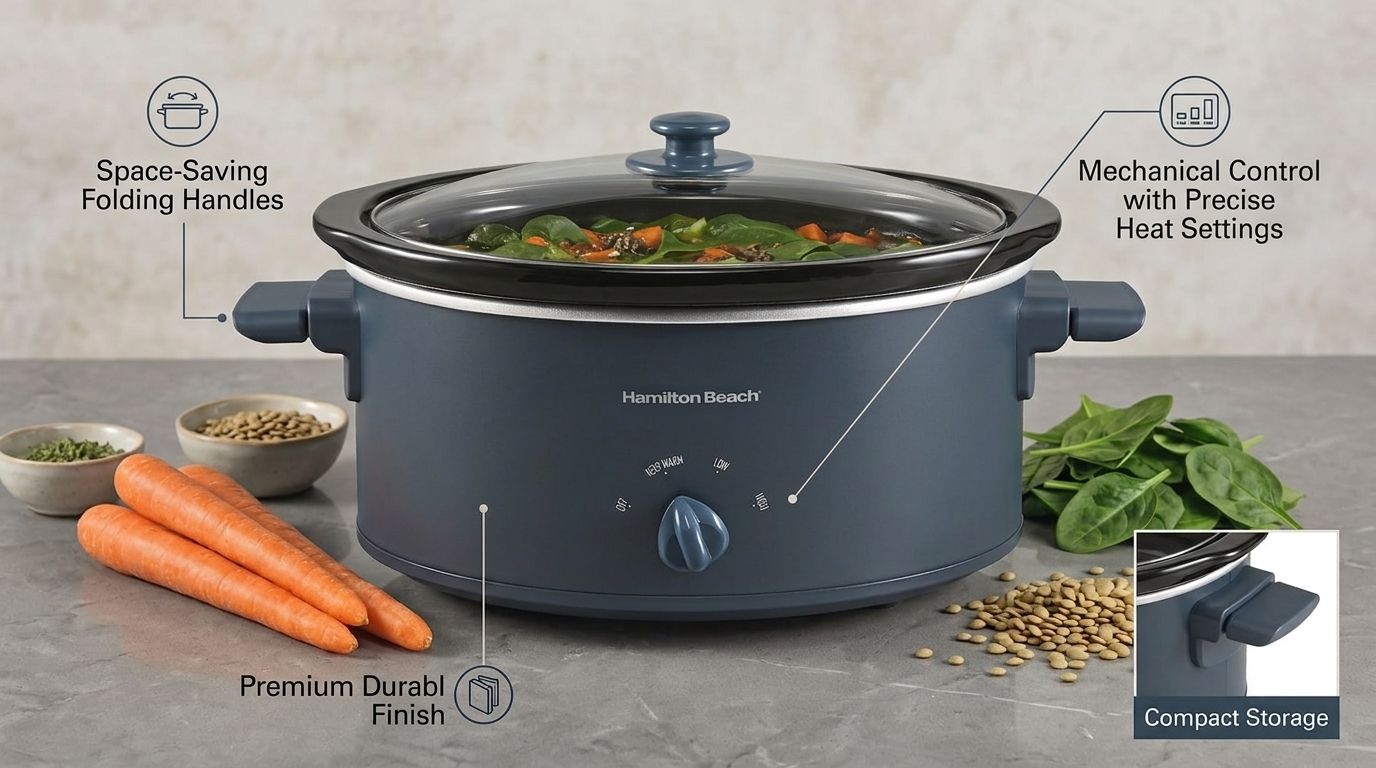
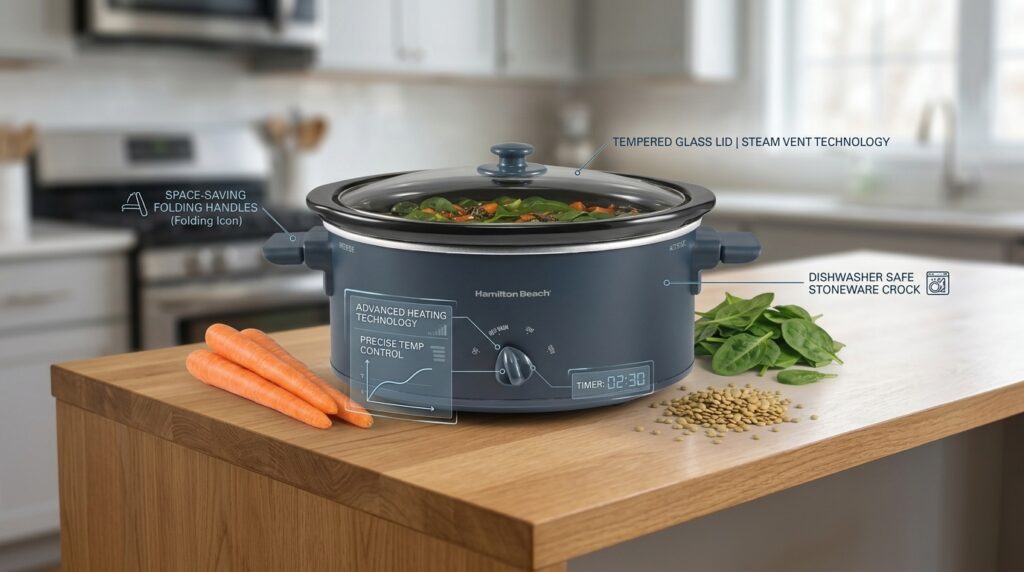
This guide explores the functionality, design considerations, and real-world applications of a 6-quart slow cooker, using the Hamilton Beach model with space-saving folding handles as a reference point to discuss this category of cooking appliances.
Understanding Slow Cooker Capacity and What It Means
When shopping for slow cookers, capacity is often the first spec people notice, yet it’s frequently misunderstood. A 6-quart capacity doesn’t simply mean it’s twice the size of a 3-quart model—the cooking dynamics are different, and the practical applications expand considerably.
For perspective, a 6-quart capacity typically accommodates 12 to 15 servings comfortably, depending on the specific dish and portion sizes you’re preparing. This capacity works well for a family of four with leftovers, a couple hosting a casual dinner party, or anyone interested in preparing multiple meals at once for the freezer.
The interior space of a larger slow cooker also affects cooking time and temperature dynamics. With more surface area for heat to distribute, you’ll want to understand how this impacts cooking times compared to smaller models. Generally, recipes need to be adjusted slightly, as slower cookers benefit from having adequate fill levels—neither too empty nor overstuffed.
Key Design Features Worth Understanding
The Stoneware Crock Advantage
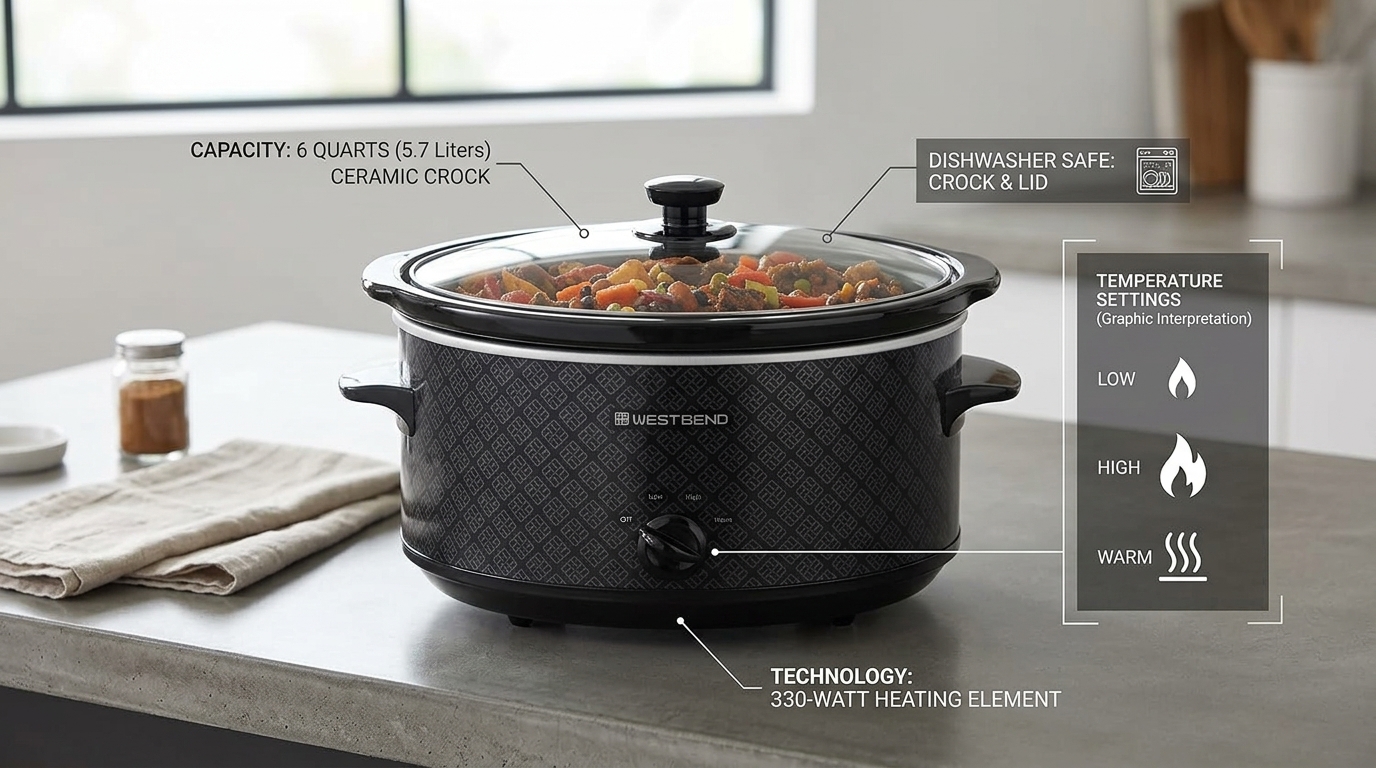
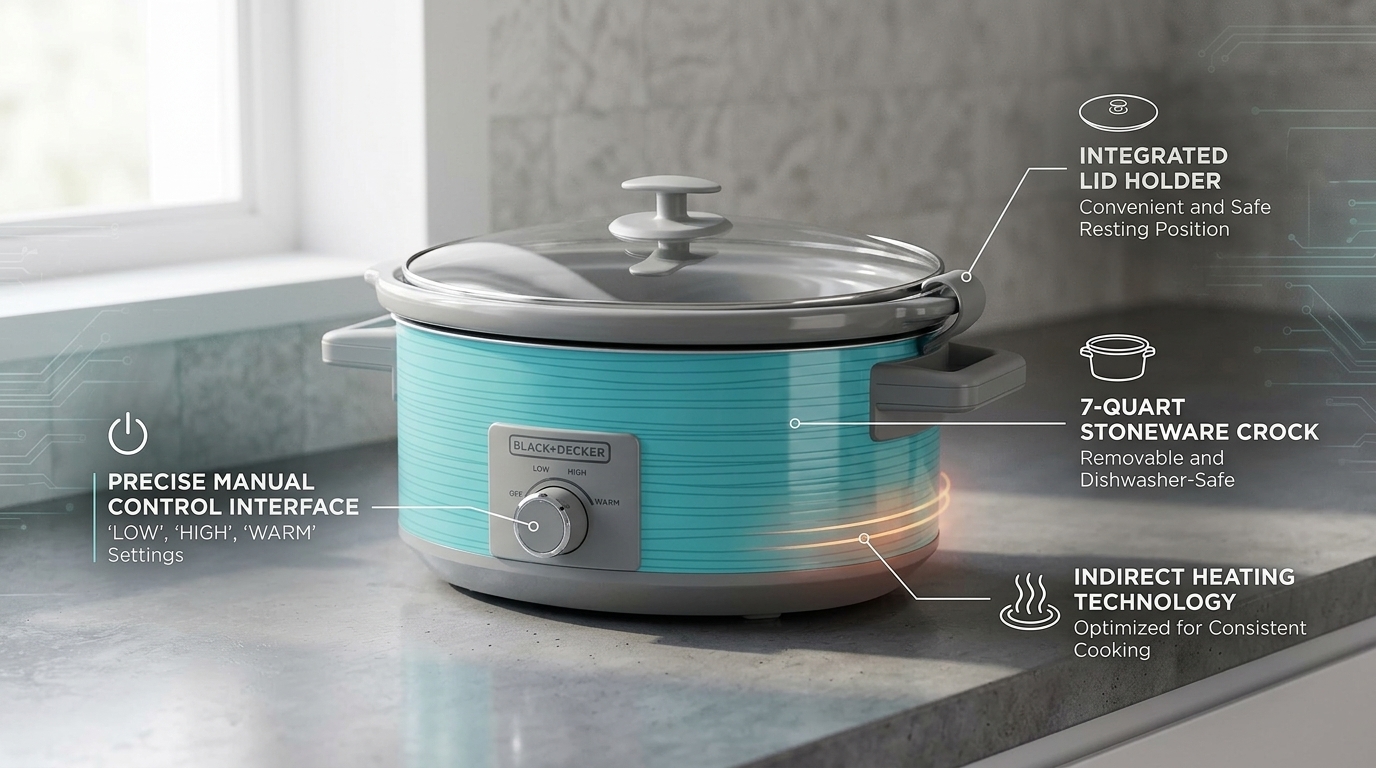
The internal cooking vessel material significantly influences both performance and maintenance. Stoneware crocks, which are commonly used in slow cookers, offer several practical advantages worth examining. Stoneware heats evenly and retains temperature steadily, promoting consistent cooking results. It’s also naturally non-reactive, meaning acidic ingredients like tomatoes or vinegar won’t interact with the cooking surface the way they might with certain other materials.
From a maintenance perspective, stoneware can typically be removed from the base unit, which allows for easier cleanup and storage. Many stoneware crocks are designed to be dishwasher-safe, reducing the time spent hand-washing after meal preparation. It’s worth noting that thermal shock—sudden temperature changes—can damage stoneware, so allowing crocks to cool naturally and avoiding extreme temperature transitions is important for longevity.
Glass Lids and Visibility
A glass lid serves more than aesthetic purposes in slow cooking. It allows you to monitor food progress without repeatedly lifting the lid, which disrupts the cooking environment and extends total cooking time. Each time you remove the lid, heat escapes and the cooking process essentially restarts, adding 15 to 20 minutes to your cooking time.
Glass lids also help contain splatters and sauces that might otherwise escape during cooking, keeping your countertop cleaner. The clear viewing area lets you check whether liquids have reduced properly or if meat has reached the desired tenderness without breaking your slow cooker’s cooking rhythm.
Space-Saving Folding Handles
For many people, kitchen storage is a genuine constraint. Full-size slow cookers can consume considerable cabinet space when not in use. Folding or collapsible handles reduce the overall footprint of the unit without sacrificing capacity or function. When handles fold inward, the appliance takes up roughly the same space as it would if rotated vertically on a shelf, making it more convenient for storing in crowded cabinets or pantries.
This design consideration matters more for those with limited counter or storage space, but it’s a thoughtful engineering choice that addresses a real-world pain point.
Heat Setting Options
Temperature flexibility in slow cookers has practical implications for cooking success. Most slow cookers offer low, high, and sometimes medium or keep-warm settings. Understanding what these actually mean helps you work with recipes more effectively.
The “low” setting typically maintains a temperature around 185°F to 200°F, while “high” generally operates around 280°F to 300°F. This substantial difference affects how quickly foods cook and how much moisture content remains in the finished dish. Certain dishes—particularly tougher cuts of meat that benefit from longer, gentler cooking—perform better on low settings. Other recipes, especially those involving vegetables or more delicate proteins, may suit the higher temperature better.
Having multiple settings available gives you flexibility to adapt cooking approaches based on your schedule and the specific dish you’re preparing.
Practical Applications and Cooking Scenarios
Weeknight Convenience
The primary appeal of slow cooking lies in its ability to fit into busy schedules. Preparing ingredients in the morning before work and returning home to a finished meal represents a significant convenience factor. With a 6-quart capacity, you’re not limited to small portions, meaning you can prepare enough food for multiple family members or include substantial side components like vegetables or grains in the cooking vessel itself.
Consider a scenario where you prepare a beef stew in the morning: You layer root vegetables, beef chunks, broth, and seasonings, set it to low heat, and return home eight hours later to a complete meal. The large capacity means you might prepare enough for dinner plus leftovers for a lunch later in the week.
Batch Cooking and Meal Preparation
Many people adopt batch cooking strategies to streamline their weekly meal preparation. Having a 6-quart capacity makes this more practical. You can prepare three to four meals’ worth of a particular dish in one cooking session, then portion and freeze for later use. This approach reduces the number of times you need to actually cook while providing flexibility throughout your week.
A large pot of chili, pulled pork, curry, or braised beans can be prepared in advance and stored for future consumption. The barrier to using slow cookers for this purpose is largely eliminated when you have adequate capacity to make the time investment worthwhile.
Entertaining and Gatherings
When hosting casual gatherings—whether a game day party, casual dinner with friends, or family celebration—a larger slow cooker becomes genuinely useful. Many appetizers and sides work beautifully in slow cookers: meatballs in various sauces, pulled meat sandwiches, warm dips, and braised side dishes all benefit from the gentle, extended heat.
A single large slow cooker can free up oven and stovetop space during entertaining, which is often the most valuable real estate in your kitchen when preparing multiple dishes. The 6-quart size allows you to prepare adequate portions without requiring multiple units.
Dietary Flexibility
Slow cookers accommodate various dietary approaches quite well. Whether you’re exploring plant-based cooking, following paleo principles, managing food allergies, or preparing meals specific to cultural traditions, slow cooking methods support all of these approaches. The large capacity means you can prepare family meals where everyone is eating from the same pot without anyone feeling restricted by portion size or ingredient limitations.
Who Might Find This Type of Appliance Useful
A 6-quart slow cooker isn’t universally necessary—different households have genuinely different needs. However, certain situations make this capacity particularly practical.
Larger households obviously benefit from increased capacity. A family of six to eight regularly finds that standard slow cooker sizes create multiple cooking sessions or insufficient leftovers. The 6-quart size usually accommodates everyone’s portion plus extras in a single cooking cycle.
People who cook batch meals recognize the value of larger capacity appliances. If you prepare five days’ worth of lunches on Sunday or cook several dinners in advance each week, a larger slow cooker reduces the total time spent actually cooking.
Frequent entertainers appreciate having the option to use a slow cooker for casual gatherings. The ability to prepare adequate quantities for guests without requiring multiple units adds genuine convenience to hosting.
Individuals with limited cooking time or energy find slow cooking particularly valuable because it requires minimal active participation. For people managing health conditions, working demanding schedules, or juggling competing responsibilities, having a simple solution for weeknight dinners makes meaningful lifestyle difference.
Home cooks interested in bulk purchasing benefit from larger capacity. When buying half a cow or case quantities of vegetables or beans, you need cooking vessels that can accommodate these quantities effectively.
Practical Considerations and Realistic Limitations
Storage Space Requirements
While folding handles reduce the footprint somewhat, a 6-quart slow cooker still requires meaningful storage space. It’s not a device you can easily store in a small cabinet or apartment kitchen with limited storage. Before purchasing, it’s worth measuring available space and honestly assessing whether you’ll have convenient access to the unit. Appliances that are difficult to access tend to get used less frequently.
Electrical Outlet Accessibility
Most slow cookers require a standard outlet, and the cord length may be a consideration if you want to use it on a specific counter location. Planning where you’ll actually place the unit during operation helps avoid situations where extension cords create safety hazards or awkward setups.
Cooking Adjustment Requirements
Recipes developed for standard 3 to 4-quart slow cookers often need adjustment for 6-quart models. More ingredient quantity or modified cooking times may be necessary. While this isn’t complicated, it requires attention and slight experimentation to dial in results. Not every recipe automatically works perfectly when simply scaled up in volume.
Liquid Dynamics
Slow cookers produce different moisture outcomes than stovetop cooking because evaporation is limited. In a 6-quart capacity, you might want to reduce liquid slightly compared to the amount you’d use in smaller slow cookers, since less evaporation occurs relative to the larger food volume. This is another reason that directly applying smaller recipes requires some adjustment.
Weight Considerations
Larger slow cookers are heavier appliances. If you’re someone who needs to relocate your appliances frequently for storage or cleaning, or if you have physical limitations that make handling heavy items difficult, this is a genuine consideration rather than an insignificant detail.
Heating Uniformity
In very large capacity slow cookers, the outer portions of food sometimes cook at different rates than the center. Occasionally stirring or repositioning ingredients, particularly if making layered dishes, helps ensure even cooking.
Comparing Slow Cooker Sizes and Categories
Understanding how a 6-quart slow cooker compares to other available options provides useful context for determining whether this capacity suits your needs.
Standard 3 to 4-quart slow cookers represent the most common household size. These work well for typical family meals with four to six servings. They require less storage space and use less electricity than larger models. However, they don’t accommodate batch cooking effectively or provide adequate portions for gatherings. Most everyday recipes you encounter are developed for this size.
5-quart models occupy a middle ground, offering more capacity than standard sizes while remaining reasonably portable. They’re useful for households of five to six people but don’t quite meet the needs of serious batch cookers or larger entertaining scenarios.
6-quart and larger models address situations where standard sizes create limitations. The 6-quart specifically balances adequate capacity for various applications without becoming unwieldy to store.
Programmable versus manual settings represent another consideration separate from size. Many larger slow cookers offer programmable features where you can set specific cooking times and temperatures. Manual models often operate simply with dial controls. Neither approach is objectively superior—it depends on your preference for technology and convenience features versus simplicity and fewer potential mechanical failures.
Insulated versus non-insulated bases affect how efficiently the units operate. Better insulation means more consistent heating and potentially lower energy consumption, though it also typically increases the unit’s weight.
Maintenance and Care Considerations
Cleaning Protocols
Stoneware crocks that are dishwasher-safe simplify the cleaning process considerably. Simply removing the crock and placing it in the dishwasher saves substantial hand-washing time. The heating base itself typically requires only a damp cloth for cleaning, since the removable crock prevents food debris from accumulating in hard-to-reach areas.
Stoneware Longevity
Stoneware crocks can develop minor cracks over time, particularly if subject to thermal shock or dropped. These cracks can make the crock unsuitable for future use. Replacement crocks are available for most slow cooker models, usually at a moderate cost. Knowing that replacement parts are available provides some assurance about long-term usability.
Glass Lid Care
Glass lids are durable but can break if dropped or subjected to impact. They’re generally replaceable but represent an additional expense if damaged. Treating the lid carefully during handling and storage prevents most breakage situations.
Cord and Electrical Components
The electrical components are housed in the base unit and rarely require maintenance. Keeping cords free from damage and avoiding immersion of the base in water ensures these components remain functional. Standard electrical safety precautions apply.
Frequently Asked Questions About 6-Quart Slow Cookers
How long does it typically take to cook a meal in a 6-quart slow cooker?
Cooking times vary dramatically based on what you’re preparing. Tender cuts of meat and vegetables might cook in four to six hours on high heat, while tougher cuts of beef or pork often require eight to ten hours on low heat for optimal results. Recipes provide specific guidance, and most slow cooker cookbooks account for capacity differences.
Can you adapt regular recipes for slow cooker use?
With some modifications, many conventional recipes can be adapted for slow cooking. Generally, you can reduce liquid content since evaporation is minimal, and you should account for longer cooking times. Delicate ingredients like certain vegetables or fresh herbs often work better if added toward the end of cooking rather than at the beginning. This is a learned skill that improves with experience.
Is a slow cooker energy efficient compared to using an oven?
Slow cookers generally consume less electrical energy than a conventional oven over similar cooking periods. This is one reason many people find them attractive from a utility cost perspective, particularly for extended cooking sessions.
Can frozen ingredients go directly into a slow cooker?
This is a safety consideration worth understanding properly. Placing frozen items directly in a slow cooker can result in the exterior cooking before the interior reaches safe temperatures, potentially creating food safety issues. Best practice involves thawing ingredients in the refrigerator beforehand or accounting for extended cooking times if using frozen ingredients.
Do you need to brown meat before slow cooking?
This isn’t strictly necessary but is often recommended. Browning meat in a skillet before adding it to the slow cooker develops deeper flavors through the Maillard reaction. However, many cooks skip this step without experiencing problematic results, particularly when cooking soups or stews with acidic components like tomatoes that provide flavor.
How full should a slow cooker be for optimal cooking?
Most slow cookers work best when filled to between half and three-quarters capacity. Too little food in the cooking vessel can result in uneven heating, while overcrowding prevents proper circulation of heat. These general guidelines help achieve consistent results.
Can slow cookers be used for meal prep?
Absolutely. Many people use slow cookers specifically for preparing multiple meals at once. You can cook bulk quantities of soups, chilis, braised meats, and similar dishes, then portion them into containers for refrigeration or freezing. This approach makes sense if you’re regularly engaged in meal preparation.
Are there foods that don’t work well in slow cookers?
Delicate fish, certain seafood preparations, and quick-cooking vegetables generally don’t benefit from extended slow cooking. Similarly, pasta and rice often become mushy if cooked for the full duration as heartier proteins. These are better added toward the very end of cooking or prepared separately.
Final Thoughts on Large-Capacity Slow Cooking
A 6-quart slow cooker represents a specific choice that addresses genuine needs for certain household situations. It’s not a universal solution—many people’s lives function perfectly well with standard sizes—but for those who cook regularly in larger quantities, entertain frequently, or manage substantial family feeding responsibilities, this capacity makes practical sense.
The specific Hamilton Beach model with space-saving folding handles combines adequate capacity with thoughtful design choices. Dishwasher-safe stoneware, multiple heat settings, and glass lids represent features that have genuine functional value in everyday use rather than unnecessary bells and whistles.
The real value of slow cookers generally lies not in their technological sophistication but in their straightforward usefulness for making meal preparation simpler. A slow cooker that sits unused in a cabinet provides no value, regardless of its features. Conversely, a slow cooker that genuinely fits your cooking patterns and lifestyle makes a meaningful positive difference.
If you find yourself regularly preparing meals for larger groups, interested in batch cooking approaches, or simply wanting to reduce weeknight cooking labor, exploring slow cookers of this capacity might align with your actual kitchen needs.